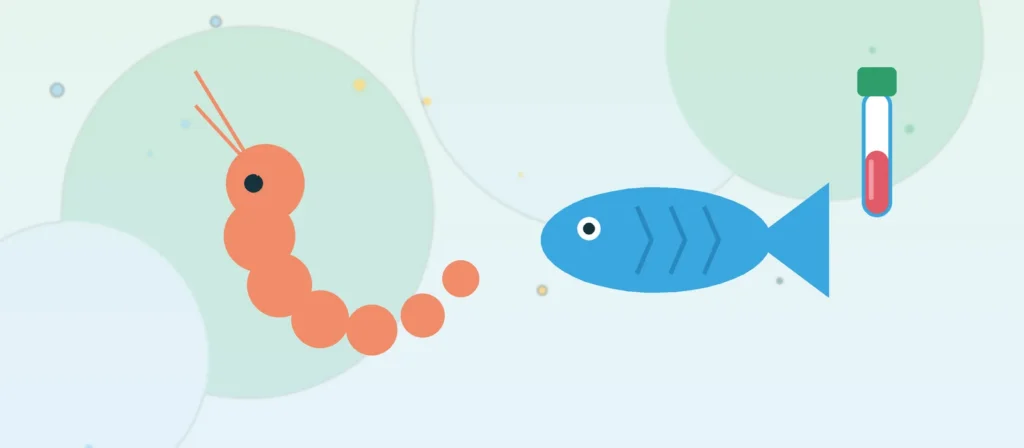
Maybe your lips tingled after a shrimp cocktail, or you broke out in hives at a seafood boil and you’re not sure what caused it. Seafood reactions are confusing because “seafood” covers very different foods, and an allergy to one doesn’t automatically mean an allergy to all of them. Here’s how allergists test for shellfish and fish allergy, what the results really mean, and a few long-running myths you can stop worrying about.
For a broader look at every type of allergy test, see our allergy testing guide.
Key takeaways
- Shellfish allergy affects nearly 7 million Americans and most often shows up in adulthood (ACAAI).
- Allergists diagnose it with a detailed history plus skin prick and/or blood tests, and sometimes a supervised oral food challenge (ACAAI).
- A positive test doesn’t always mean you’ll react, and a negative test is more useful for ruling an allergy out (ACAAI).
- Shellfish allergy is not an “iodine allergy,” and it doesn’t by itself make contrast dye for imaging unsafe (AAAAI).
Shellfish vs. Fish: Two Different Allergies
The first thing an allergist will want to pin down is which seafood caused the problem. Shellfish and finned fish are separate allergies. The American College of Allergy, Asthma and Immunology (ACAAI) says people allergic to shellfish don’t necessarily have to avoid fish, and vice versa (ACAAI). On its fish allergy page, ACAAI adds that there appears to be no relationship between fish and shellfish allergies, although a person can be allergic to both (ACAAI).
Shellfish itself splits into two groups:
- Crustaceans such as shrimp, lobster and crab. This group causes the greatest number of allergic reactions within the shellfish family (ACAAI).
- Mollusks such as scallops, oysters, clams and mussels. ACAAI says many shellfish-allergic people can eat mollusks with no problem, but anyone with shellfish allergy symptoms should check with an allergist before eating any other kind of shellfish (ACAAI).
Within a group, cross-reactions are common. The American Academy of Allergy, Asthma & Immunology (AAAAI) says most people with one shellfish allergy are allergic to other species in the same class, so someone allergic to crab may also react to lobster and shrimp, and someone allergic to clams may also react to mussels or scallops (AAAAI).
Who Gets Shellfish and Fish Allergies?
Unlike many food allergies that start in early childhood, seafood allergies often appear later. ACAAI says shellfish allergies most frequently develop in adulthood, though they can affect children and can appear at any age (ACAAI). AAAAI suggests this may partly reflect eating habits, since young children don’t typically eat shellfish (AAAAI). Fish allergy can also show up late: ACAAI cites a study in which as many as 40 percent of people reporting a fish allergy had no problems with fish until adulthood (ACAAI).
These allergies also tend to stick around. ACAAI says allergies to peanuts, tree nuts, fish and shellfish typically last a lifetime (ACAAI).
Symptoms That Should Prompt Testing
Shellfish reactions can affect the skin, breathing, digestion and circulation. ACAAI lists symptoms including (ACAAI):
An IgE blood test is also how doctors confirm alpha-gal syndrome, the red meat allergy linked to lone star tick bites.
- Hives, or swelling of the tongue and lips
- Vomiting, stomach cramps, indigestion or diarrhea
- Wheezing, shortness of breath, a repetitive cough, or a tight throat and hoarse voice
- Dizziness, confusion, a weak pulse, or pale or bluish skin
Reactions aren’t always predictable. ACAAI notes that symptoms vary from person to person, the same person may not have the same symptoms every time, and some people react just from being near shellfish being cooked or from food that touched shellfish (ACAAI). Severe symptoms like trouble breathing or a weak pulse are an emergency, not a reason to book a test next month. Our allergy emergency guide covers the warning signs.
How Allergists Test for Shellfish Allergy
Step 1: Your history
ACAAI says diagnosing shellfish allergy can be complicated, and it starts with detailed questions. Expect to be asked what and how much you ate, how long symptoms took to start, what they were and how long they lasted (ACAAI).
Step 2: Skin prick test
In a skin prick test, a drop of liquid containing the suspected allergen is placed on your forearm or back, and the skin is pricked with a small sterile probe so the liquid can seep under the skin. A raised bump that looks like a mosquito bite (a wheal) means the test is positive. ACAAI says results come within 15 to 30 minutes, and the test isn’t painful, though it can be uncomfortable (ACAAI).
Step 3: Blood test
A blood test, such as an ImmunoCAP test, measures the amount of IgE antibody to the specific foods being tested. ACAAI says results typically take about one to two weeks and are reported as a number (ACAAI). Allergists may use skin tests, blood tests or both. For help choosing between them, see Skin Prick vs. Blood Allergy Test.
For fish, the approach is similar. ACAAI says an allergist may diagnose an allergy to a specific kind of fish with a skin prick test using protein from that fish, or with a blood test for IgE to that fish’s protein (ACAAI).
Step 4: Oral food challenge, if needed
When results are unclear, the allergist may recommend an oral food challenge, where you eat gradually increasing amounts of the food under strict supervision with emergency medicine and equipment on hand (ACAAI). The National Institute of Allergy and Infectious Diseases (NIAID) calls the oral food challenge the gold standard for diagnosing food allergy, but notes that doctors use it cautiously because it’s time-consuming, needs highly trained staff and can cause an acute reaction (NIAID). ACAAI says it should not be tried at home (ACAAI).
A challenge can also answer practical questions. ACAAI says oral food challenges may be used to see whether someone has outgrown a food allergy (ACAAI), and for fish, an allergist can help you work out whether other varieties may be safe to eat (ACAAI).
Don’t test it yourself
Please don’t try a “little bite” of shrimp or crab at home to see what happens. MedlinePlus warns that an oral challenge can cause a severe allergic reaction, which is why it’s done under close supervision by an allergist who can treat an emergency (MedlinePlus). Even an elimination diet may not be safe if you’ve had a serious reaction to a food before (MedlinePlus).
Reading Your Results
This is the part people find most surprising. ACAAI says that while skin and blood tests can both signal a food allergy, neither one is conclusive. A positive result to a specific food doesn’t always mean you’ll react when you eat it, and a negative result is more helpful for ruling an allergy out. Neither the size of a skin test bump nor the IgE level necessarily predicts how severe a reaction to shellfish will be (ACAAI).
NIAID explains why: these tests can show a person has an allergy when they really don’t, a false positive, and that can lead to an unnecessarily restrictive diet (NIAID). So your allergist combines your history with the numbers before making a diagnosis (ACAAI).
It’s also possible the problem isn’t an allergy at all. AAAAI says many people who think they’re allergic to shellfish may actually be intolerant to it. An intolerance can make you feel miserable, but an allergy can cause anaphylaxis, and an allergist can tell the difference (AAAAI).
Skip the mail-order seafood panel
ACAAI says at-home food allergy or sensitivity panels sold online aren’t reliable for diagnosing food allergies, often measure IgG antibodies that reflect exposure rather than allergy, and aren’t FDA-approved for diagnosing food allergy (ACAAI). Our article Are Home Allergy Test Kits Accurate? explains more.
Myths Worth Clearing Up
“Shellfish allergy means I’m allergic to iodine and contrast dye”
This is one of the most persistent allergy myths. AAAAI says iodine is not an allergen, and shellfish reactions are caused by muscle proteins called tropomyosins, not iodine. People with a history of seafood allergy are not at higher risk of anaphylaxis from iodinated contrast media, and there’s no cause-and-effect link between contrast reactions and seafood allergy (AAAAI). AAAAI traces the myth to an untested 1970s survey and says that if you have a shellfish allergy, you can most likely safely get imaging with contrast unless you have a separate allergy to it (AAAAI). If you’ve reacted to contrast dye before, tell your care team, because that’s a separate issue.
“I can’t take glucosamine”
AAAAI says glucosamine is normally safe for people with shellfish allergy because it’s made from shells, not the protein that causes the allergy (AAAAI). Fish oil is a different story: ACAAI says people with fish allergy should consult their allergist before taking fish oil supplements (ACAAI).
Living With a Confirmed Shellfish or Fish Allergy
Once an allergy is confirmed, avoidance is the main treatment (ACAAI). A few things make that easier:
- Know what labels cover. The FDA lists crustacean shellfish and fish among the nine major food allergens, and packaged food labels must name the specific species of fish or crustacean shellfish, such as crab, lobster or shrimp (FDA). ACAAI notes those rules apply to crustaceans, not mollusks like oysters, scallops and clams (ACAAI).
- Watch for less obvious sources. ACAAI says shellfish can turn up in fish stock, seafood flavoring such as crab extract, sushi and surimi (ACAAI). Fish is common in Worcestershire sauce and Caesar salad, and imitation crab is often made from pollock (ACAAI).
- Be careful eating out. Shellfish is often stored with other seafood, so cross-contamination can happen (ACAAI). For fish allergy, ACAAI suggests it’s best to avoid seafood restaurants in general because of the high risk of cross-contact (ACAAI).
- Carry epinephrine if it’s prescribed. ACAAI says epinephrine is the first-line treatment for anaphylaxis, recommends having two doses available, and says to call 911 after using an auto-injector (ACAAI).
For more on how food allergies differ from the seasonal kind, visit our food allergies page.
Written by: SeasonalAllergies.org Editorial Team (October 23, 2026)
This article is for general education and is not medical advice. If you’ve had a reaction to seafood, talk with your doctor or a board-certified allergist before eating it again, and call 911 for any severe reaction.
Seafood and Shellfish Allergy Testing FAQs
If I’m allergic to shrimp, am I allergic to all shellfish?
Not necessarily, but often within the same group. AAAAI says most people allergic to one shellfish react to others in the same class (AAAAI), while ACAAI says many people allergic to crustaceans can tolerate mollusks. Ask an allergist before trying any other shellfish (ACAAI).
Does a shellfish allergy mean I’m allergic to fish?
No. ACAAI says there appears to be no relationship between fish and shellfish allergies, though some people are allergic to both (ACAAI). Each one is tested separately.
Can a blood test tell how severe my shellfish allergy is?
No. ACAAI says neither the IgE level on a blood test nor the size of a skin test bump necessarily predicts how severe a reaction will be (ACAAI).
Is it safe to get a CT scan with contrast if I have a shellfish allergy?
Most likely yes. AAAAI says people with seafood allergy are not at elevated risk of anaphylaxis from iodinated contrast (AAAAI), unless they have a separate allergy to the contrast itself (AAAAI). Tell your care team about any past contrast reactions.
Related Guides
Local pollen and allergist guides
Pollen seasons and triggers change by city. See what is in the air near you and where to find an allergist.
City pollen guides
Sources
- American College of Allergy, Asthma and Immunology. “Shellfish Allergy.”
https://acaai.org/allergies/allergic-conditions/food/shellfish/ - American Academy of Allergy, Asthma & Immunology. “Radiocontrast Material and Seafood Allergy: The Myths and Facts.”
https://www.aaaai.org/tools-for-the-public/conditions-library/allergies/radiocontrast - American College of Allergy, Asthma and Immunology. “Fish Allergy.”
https://acaai.org/allergies/allergic-conditions/food/fish/ - American Academy of Allergy, Asthma & Immunology. “Shellfish Allergy Is Not a Shell Game.”
https://www.aaaai.org/tools-for-the-public/conditions-library/allergies/shellfish-allergy-can-be-dangerous - National Institute of Allergy and Infectious Diseases. “Diagnosing Food Allergy.”
https://www.niaid.nih.gov/diseases-conditions/diagnosing-food-allergy - American College of Allergy, Asthma and Immunology. “Food Allergy Testing and Diagnosis.”
https://acaai.org/allergies/testing-diagnosis/food-allergy-testing-and-diagnosis/ - MedlinePlus. “Food Allergy Testing.”
https://medlineplus.gov/lab-tests/food-allergy-testing/ - U.S. Food and Drug Administration. “Food Allergies.”
https://www.fda.gov/food/nutrition-food-labeling-and-critical-foods/food-allergies
🌼 Free pollen alerts
Short, sourced alerts when oak, grass, ragweed or mold season picks up near you. Sign up and get our free printable US and Florida pollen calendar.
Free printable pollen calendar included. No spam. Unsubscribe anytime.