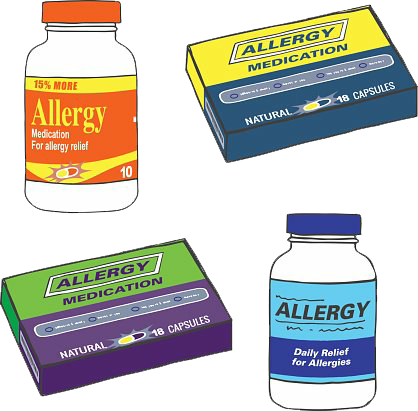
Seasonal Allergies Overview
Allergies happen when your immune system overreacts to harmless substances called allergens, such as pollen, dust mites or pet dander. It treats them as threats and releases chemicals like histamine, which cause allergy symptoms. Allergies are very common: about one in four U.S. adults has a diagnosed seasonal allergy (CDC).
Pollen Near You
What’s in the air depends on where you live. Check your local season, then find out what’s really triggering your symptoms.
- Florida pollen calendar and city guides: Tampa, Orlando, Miami, Jacksonville, Sarasota and more
- Allergy testing explained: skin, blood and home tests, and which ones to skip
Common Allergens
Most allergens can be found all around us and are hard to avoid. Common ones are:
- Seasonal allergies from pollen
- Dust and dust mites
- Food like milk or peanuts
- Pet dander from cats, dogs, and even bugs
- Ragweed
- Spores
The same allergen can affect people differently, and some people aren’t affected at all. Some children outgrow food allergies such as milk or egg allergy. Seasonal allergy symptoms follow pollen seasons: trees in spring, grasses in late spring and summer, and weeds such as ragweed in late summer and fall. Indoor allergens can cause symptoms year-round.
How Can You Notice Symptoms of Seasonal Allergies?
Symptoms depend on the person and the allergen. Seasonal allergies most often cause sneezing, a runny or stuffy nose, and itchy, watery eyes, nose or mouth (ACAAI). Allergies can also show up:
- On the skin, producing bumps, redness, or rashes
- In the throat, causing itching or a cough from postnasal drip
- In nasal passages, blocking airways and causing breathing issues
- On the eyes, by making them irritated and watery
- In the head, causing sinus pressure or headaches
- All over, causing fatigue and poor sleep (but not fever or body aches)
See a doctor if symptoms disrupt your sleep or daily life. Call 911 for trouble breathing, throat or tongue swelling, or fainting, which can be signs of anaphylaxis.
What are the Causes of Seasonal Allergies?
When allergens enter the body of a sensitive person, the immune system releases chemicals to fight them. The best known is histamine, which causes swelling, itching, sneezing and extra mucus.
Mild reactions include a stuffy nose and itchy eyes. More serious reactions can include hives, wheezing or, rarely with seasonal allergens, anaphylaxis.
These reactions are driven by immunoglobulin E (IgE), an antibody. In people with allergies, the immune system makes IgE against a specific allergen. On later exposures, IgE triggers immune cells to release histamine and other chemicals that cause symptoms.
What are the Possible Treatment Options Available for Seasonal Allergies?
Avoiding an allergen is the best treatment option. However, doing this can sometimes be impossible. For instance, in the hay fever season, pollen is in the air and in large parts of the environment outside. When there are a lot of airborne allergens, they can be very hard to avoid and stop any bad effects they cause.
Treatments can control symptoms even though they don’t cure allergies. Immunotherapy can provide lasting relief for some people (Mayo Clinic).
Most help can be found over the counter at any drug store or pharmacy. Although, if you’re going to take any medications, it’s better to talk with a doctor or pharmacist first. Doing this can help you to avoid potential damage or extra side effects, for example.
Allergy Treatment Medications
Here, we’ve listed some of the more common medications used for the treatment of symptoms. Your doctor will be the last say on if this type of treatment is a good idea for you, however.
- Antihistamines: block histamine to relieve sneezing, itching and runny nose. They help less with congestion, and older ones can cause drowsiness (ACAAI). Check the label for age limits before giving them to children (FDA).
- Decongestants: short-term relief for a stuffy nose. Don’t use decongestant nasal sprays for more than 3 days (MedlinePlus).
- Leukotriene receptor antagonists (such as montelukast): prescription tablets that block leukotrienes, chemicals that cause airway swelling. Because of a boxed warning about mental health side effects, the FDA advises reserving montelukast for allergic rhinitis when other treatments don’t work or can’t be used (FDA).
- Steroid nasal sprays: reduce inflammation and congestion and are among the most effective treatments for nasal allergy symptoms (MedlinePlus).
Are There Any Side Effects of the Medication?
First, we advise you visit a doctor or specialist before taking any kind of medicine.
Next, before you buy any allergy meds you must read the label before you take it. This is helpful in case you’re taking any other drugs because the label will tell you about any potential bad reactions your body can have.
If you have heart disease, high blood pressure, liver or kidney disease, bladder obstruction, glaucoma, or tested positive for an enlarged prostate, you must talk to your doctor before taking medication. Moreover, if you’re pregnant or a nursing mother, you should be very careful of anything you eat. Unfortunately, anything you take can have an effect on the unborn baby.
Some common side effects of allergy medications include:
- Drowsiness
- Nausea
- Vomiting
- Dizziness
- Dry mouth
- Mood swings
- Restlessness
- Problems when urinating or being unable to urinate
- Loss of focus/ confusion
- Blurry vision
If a medicine makes you drowsy, don’t drive or operate machinery after taking it. Some older antihistamines can impair you even the next day, so ask about non-drowsy options.
Can You Prevent Seasonal Allergies?
There’s no way to fully prevent allergies, but you can reduce symptoms by limiting exposure and treating early, for example by starting medicine before your pollen season.
To best avoid allergies, one needs to avoid triggers as much as they can. Conversely, this task can be quite difficult. This is because it’s almost impossible to avoid allergens like pollen in the late summer and spring. Not to mention, dust mites and fungal spores will always be around no matter what time of year it is or how clean the house gets.
Moreover, you can usually avoid pets, but you can’t avoid family or friends who have pets. Similarly, edible things you’re allergic to may exist in foods that you aren’t aware have allergens. When this happens, food labels should be a go-to for the final say.
Next Steps
In any case, if you think you have an allergy, don’t ever self-diagnose. You’ll need to visit a doctor and get tested; our allergy testing guide explains the options. A doctor can better review the allergies you may have and identify the best way to avoid negative reactions. Also, talking to a doctor will help you to avoid extra confusion or worry.
Written by: Madiha Ather Hashmi (April 14, 2020)
This article is for general education and is not medical advice. Talk with your doctor or pharmacist about your symptoms and before starting, stopping, or combining any medicine.
Seasonal Allergy FAQs
What causes seasonal allergies?
Mostly pollen from trees, grasses and weeds, plus outdoor mold spores (ACAAI).
How common are seasonal allergies?
About one in four U.S. adults has a diagnosed seasonal allergy (CDC).
What’s the most effective treatment?
Nasal steroid sprays are among the most effective for nasal symptoms (MedlinePlus).
Is it allergies or a cold?
Allergies cause itching and no fever and last as long as you’re exposed; colds often bring aches and pass in about a week (ACAAI).
Sources
- CDC National Center for Health Statistics (2023). NCHS Data Brief 460.
https://www.cdc.gov/nchs/products/databriefs/db460.htm - American College of Allergy, Asthma & Immunology. “Hay Fever (Rhinitis).”
https://acaai.org/allergies/allergic-conditions/hay-fever/ - MedlinePlus. “Allergic rhinitis.”
https://medlineplus.gov/ency/article/000813.htm - FDA (2020). Boxed Warning for montelukast (Singulair).
https://www.fda.gov/drugs/drug-safety-and-availability/fda-requires-boxed-warning-about-serious-mental-health-side-effects-asthma-and-allergy-drug - FDA (2024). “Allergy Relief for Your Child.”
https://www.fda.gov/consumers/consumer-updates/allergy-relief-your-child - Mayo Clinic (2024). “Allergy shots.”
https://www.mayoclinic.org/tests-procedures/allergy-shots/about/pac-20392876
You Are Not Alone
Discover just how common seasonal allergies are. Explore the usual symptoms, causes, and treatment options for the most common allergies around the globe.
Browse Treatments
Providing information on new and common treatments, potential benefits and side effects – everything you need to know about how to get back to a regular life.
Our mission is to offer helpful information on seasonal allergies and offer solutions so you may get back to your healthy life.